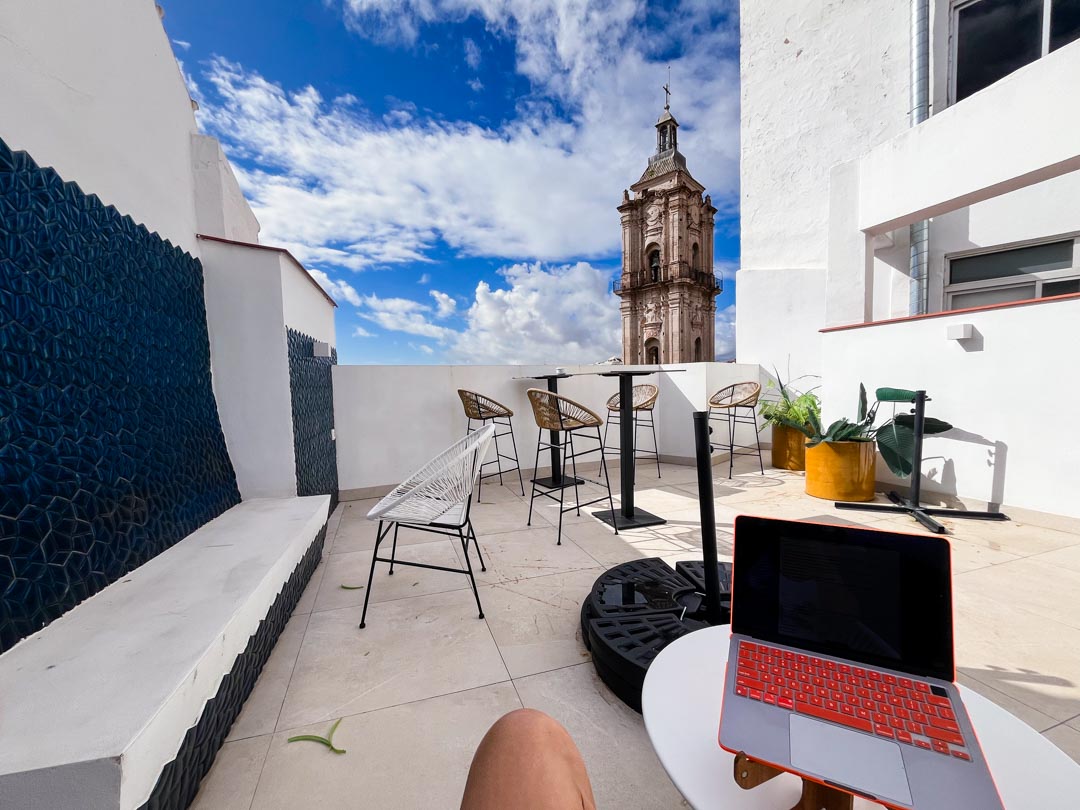
Before returning to Bangkok this year, I anchored myself in Spain to conclude a year-long journey since last April. Málaga was recommended as the closest city to the high-speed train network to Madrid. However, its infrastructure was sufficient for me to “co-live” for at least a month and extend the stay to another month. Let me trace back how my two months in the city went by.
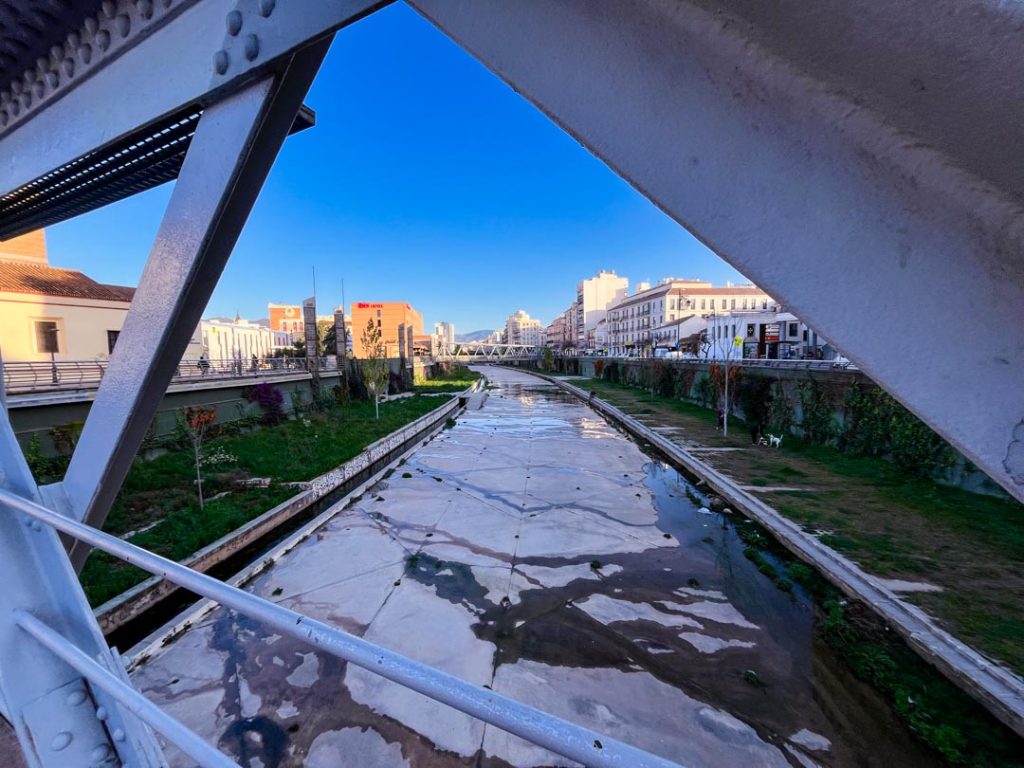
After different cities in Morocco, I sought some comfort in Spain. A “co-living space” with a commune working space and a rooftop terrace intrigued me and got me hooked. The apartment building was right in the historic city centre, next to the Iglesia de San Juan (Church of St John the Baptist). On top of that, the gym was just across the Guadalmedina, the city’s main river and some cannabis social clubs were within walking range. My previous time in Barcelona also helped me settle into life routines despite the different city vibe.


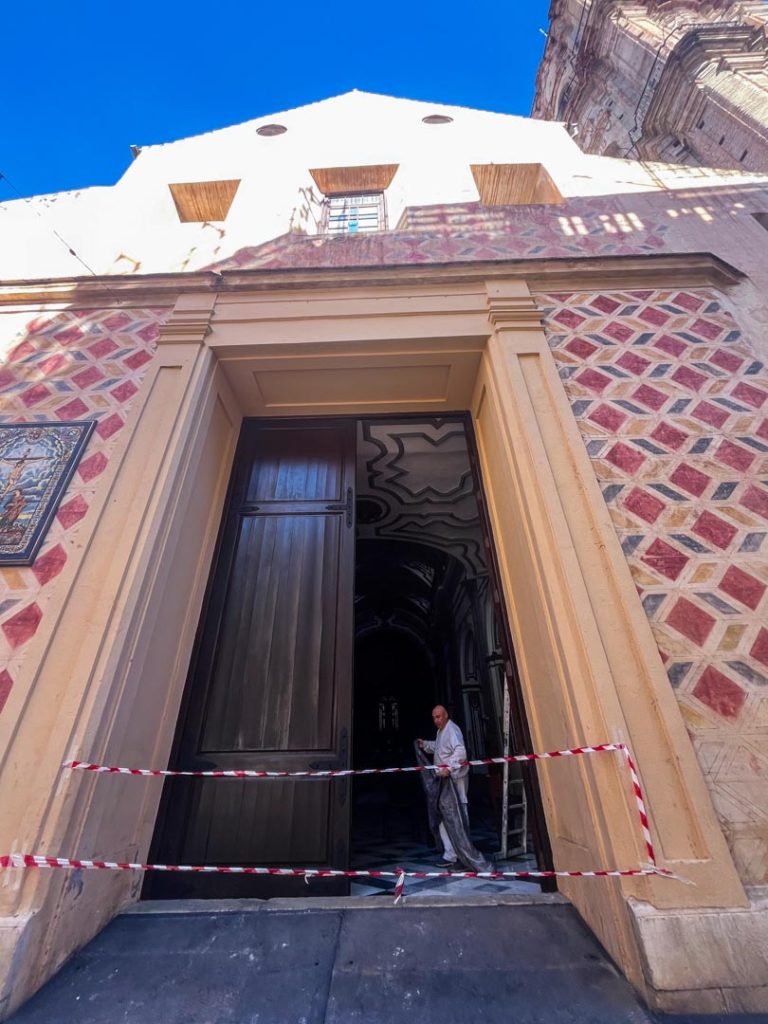

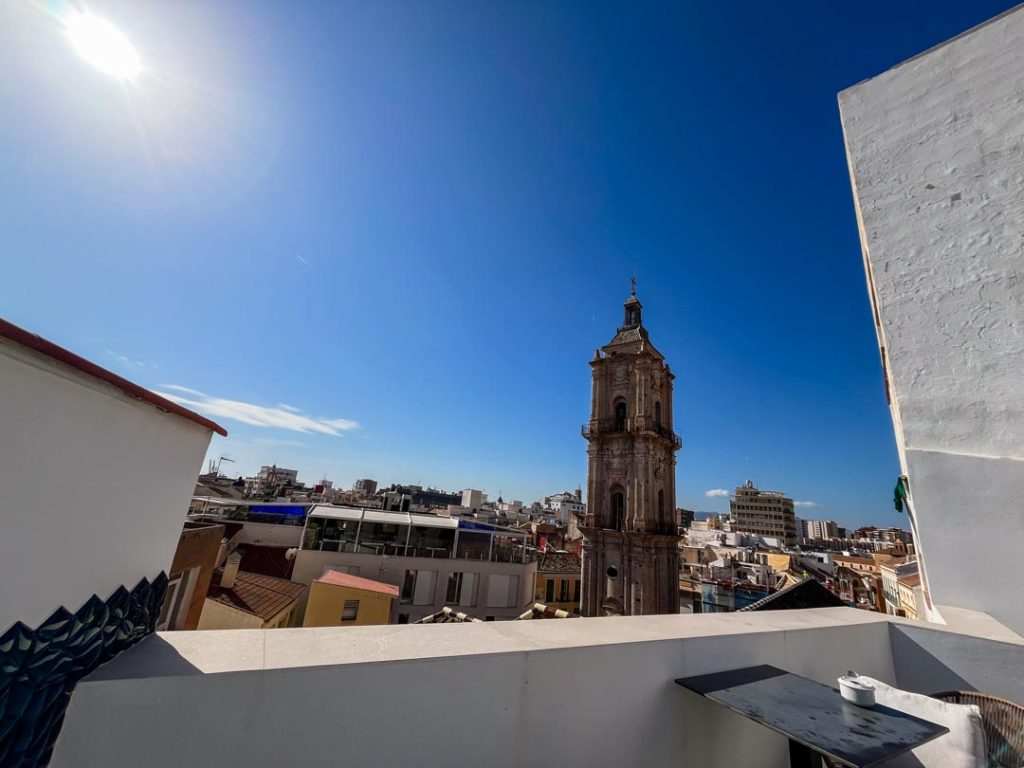



Although Barcelona and Málaga share the same Mediterranean climate, their distinctive cityscapes reflect their histories. While Catalonia’s capital is dominated by its landmark, Sagrada Familia, Málaga is influenced continuously by ancient civilisations, the Roman Empire, the Islamic Moorish, the Renaissance, and the modern era. You can see street art from different periods: Baroque frescoes, geometric tile works, and fresh new graffiti.

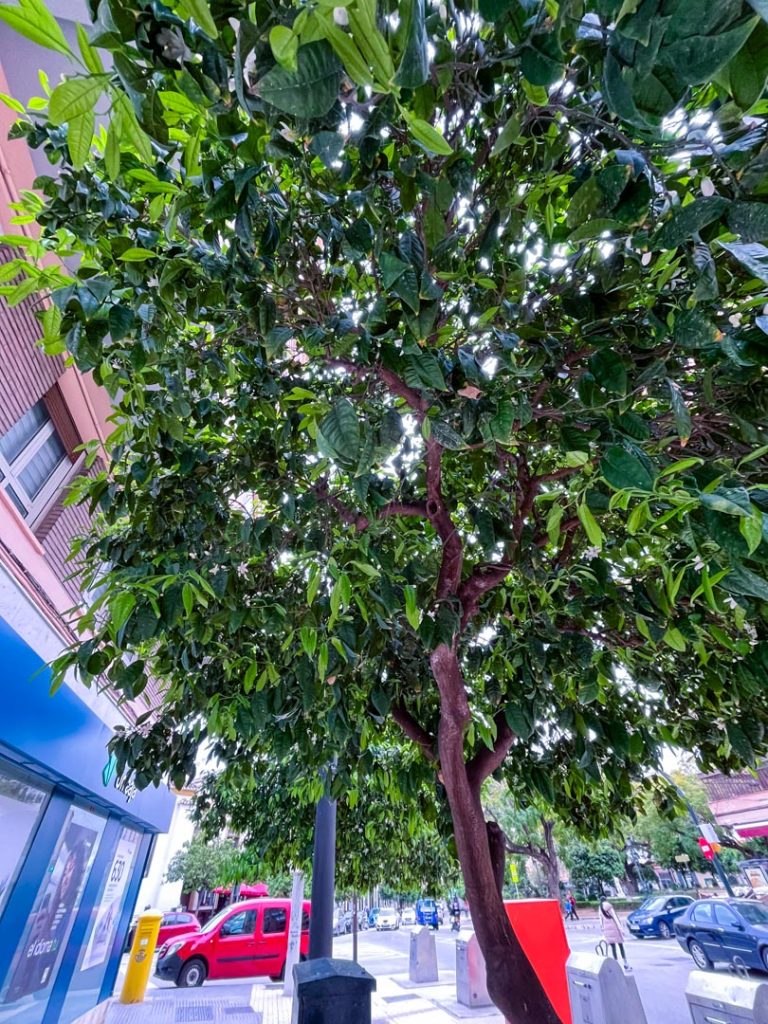
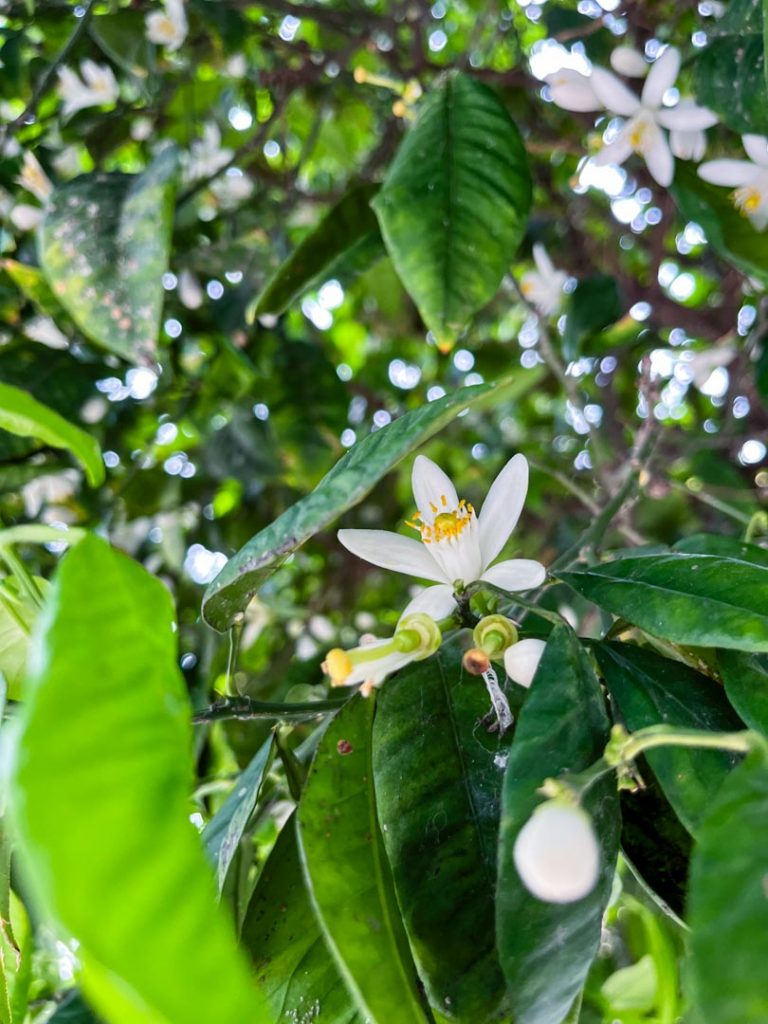
One similarity is urban birds. Monk parakeets seem to be the loudest in both cities. But my biggest surprise would be the abundance of orange trees like in Marrakech, Morocco, that I’d just been to.

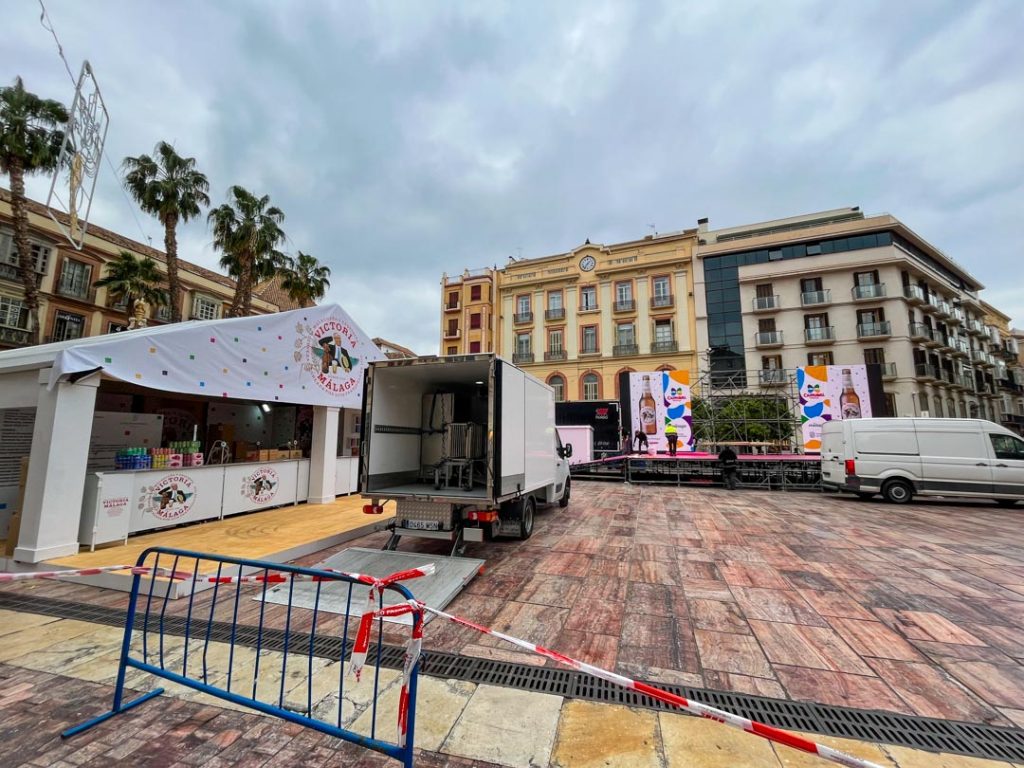
The city held some events during my stay, attracting visitors. In February, the city’s main square, Plaza de la Constitución, was decorated for the holiday season. The decor remained until the Málaga Carnival and Andalusia Day at the end of the month. Then, it was revamped for Málaga Film Festival in March. By the time I left the city in early April, it was ramping up Easter events. I didn’t participate in any of them, though.




The city offered a variety of food. Local grub such as fried seafood, Menu of the Day, Iberian ham, and churros with hot chocolate were amazing. The Central Market of Atarazanas was just around the corner. Latin American cuisines were prominent: Mexican tacos, Argentinean empanadas, Colombian arepas, and Peruvian chaufa (Peruvian Chinese fried rice). Asian restaurants were decent as well as Turkish fast food.

The challenge was the mindset about intoxicants. I’ve been conscious about alcohol and cannabis since the ayahuasca ceremony. Before getting to Spain, sobriety in Tangier was a blessing. But that discipline wouldn’t be realistic in Málaga. Tempranillo wine, Spanish native grapes (Cava was my wine in Barcelona), and other grog choices were hard to resist. But I managed, more or less. Also, THC was only to be consumed in a cannabis social club. The restriction encouraged self-control.

It was a solid two-month anchoring in Málaga. The co-working spaces in the apartment promoted productivity. The location and public transportation were convenient for my fitness routines and excursions. Fantastic street scenes, food, drinks, museums, and events kept me amused. Most of all, it was considered a transition to Bangkok, which would be a bigger challenge to refrain from the hometown indulgences.
From Málaga, I took a bullet train to Madrid, stayed in a hostel for a few days, and flew to Bangkok. While sorting out my life and renovating my apartment in Phra Khanong, I will catch up with the travel posts and conclude this twelve-month journey.
6 Pingbacks